
Table of Contents
Do you ever wonder how some companies attract top talent without simply offering higher salaries?
Or why employees at certain businesses seem happier and more loyal?
The secret often lies in payroll tax fringe benefits, which are the perks beyond salary that make work more rewarding while keeping taxation smart and strategic.
Under the Fringe Benefits Tax Assessment Act 1986 (FBTA Act), fringe benefits are divided into Type 1 and Type 2, and employers must declare fringe benefits as defined by the Act.
In today’s competitive job market, offering fringe benefits isn’t just a nice extra, it’s a powerful tool for retention, motivation, and long-term business growth.
However, it’s also crucial to understand the fringe benefits tax (FBT) obligations and how they relate to payroll tax to avoid unexpected liabilities when lodging your FBT return.
Fringe benefits are defined and assessed under the Fringe Benefits Tax Assessment Act 1986 (FBTA Act), and the Australian Taxation Office (ATO) oversees these assessments.
That’s where Pherrus, your trusted tax and accounting experts, can help you stay compliant, tax-efficient, and competitive in 2026.
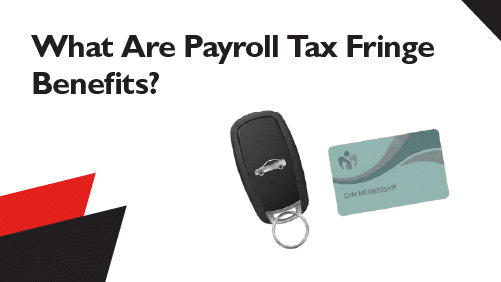
What Are Payroll Tax Fringe Benefits?
A fringe benefit is any non-cash benefit provided by an employer to an employee or their associates as part of their remuneration.
Fringe benefits are defined by the Fringe Benefits Tax Assessment Act 1986 (FBTA Act). Common examples include:
- Private health insurance
- Company vehicles for personal use
- Discounted goods or entertainment packages
- Gym memberships or lifestyle subscriptions
- Housing or living-away-from-home allowances
There are different types of fringe benefits, such as type 1 and type 2, and not all are subject to FBT or payroll tax.
Some benefits are exempt or have a nil taxable value under the FBTA Act, and these do not need to be declared for payroll tax purposes.
These benefits form part of your payroll and may be subject to payroll tax and fringe benefits tax (FBT), depending on your business’s circumstances and the value of the benefits provided.
You must declare fringe benefits for payroll tax as defined by the Act.
As of the 2025–26 income year, FBT rates and thresholds continue to align with the latest ATO guidelines.
Employers must include the grossed-up taxable value of fringe benefits when calculating both their payroll tax and FBT return obligations.

Why Payroll Tax Fringe Benefits Matter
1. Attract Top Talent
In 2026, employees care about more than salary.
They seek flexibility, wellness, and lifestyle.
Offering fringe benefits like gym memberships, corporate health plans, or entertainment allowances can help your business stand out against competitors offering comparable base pay.
These benefits can also reduce an employee’s tax burden while giving them equivalent financial value.
2. Improve Employee Retention
Replacing skilled staff is costly.
Providing desirable benefits, such as childcare support or education assistance, helps retain valuable employees who might otherwise look elsewhere for better perks.
The added sense of appreciation builds loyalty and trust which is priceless for long-term business success.
3. Boost Motivation and Productivity
Fringe benefits tied to performance milestones, for example, access to company vehicles or additional leave days can create goal-driven motivation.
Employees tend to invest more in their roles when they feel rewarded through meaningful, non-cash benefits that enhance their professional and personal lives.
4. Offer Tax-Effective Compensation
While direct salary increases can push employees into higher tax brackets, fringe benefits can deliver similar value with reduced income tax implications for them.
The cost of providing fringe benefits is generally tax-deductible for the employer.
Additionally, the payment of fringe benefits can be structured to maximise tax effectiveness for both employer and employee.
Although employers pay fringe benefits tax (FBT), this structure often results in overall savings for both parties which is a win-win for businesses and staff alike.
5. Support Health, Wellbeing, and Work-Life Balance
In 2026, mental and physical wellbeing are key business priorities.
Benefits such as health insurance, wellness programs, or flexible working arrangements can reduce stress, improve focus, and decrease sick leave.
Supporting employee wellness also demonstrates that your business values work-life balance which is a major drawcard for modern professionals.
6. Reduce Workplace Absenteeism
Providing access to healthcare and preventive services can significantly reduce absenteeism rates.
Employees who receive fringe benefits like private health coverage or workplace fitness support tend to take fewer sick days, lowering business disruptions and boosting productivity.
7. Family-Friendly Benefits Strengthen Loyalty
Businesses that support families through benefits like housing assistance, school fee subsidies, or childcare reimbursements create stronger, more loyal teams.
Employees appreciate employers who value not only their work but also their family life, making it less likely they’ll seek a role elsewhere.

Payroll Tax and Fringe Benefits Tax (FBT): What You Need to Know
When providing fringe benefits, businesses must track both payroll tax and fringe benefits tax (FBT) obligations.
- Fringe Benefits Tax (FBT) applies to most non-cash benefits provided to employees and is payable by the employer, not the employee. The FBT year runs from 1 April to 31 March, and payroll tax calculations for fringe benefits are based on this period.
- The grossed-up taxable value of these benefits must be reported in your FBT return, usually due in May each year, and may also need to be included when calculating payroll tax liabilities. The taxable value of fringe benefits for payroll tax is determined by grossing up all fringe benefits using only the Type 2 gross-up rate (currently 1.8868 from April 2025), and this rate is available from the ATO.
- You must combine the Type 1 and Type 2 benefit amounts for payroll tax declarations. Type 2 fringe benefits attract a lower gross-up figure for income tax purposes than Type 1 fringe benefits.
- Not all benefits are subject to payroll tax: tax-exempt body entertainment fringe benefits, remote area benefits (such as fly in fly out transport and accommodation), and certain other benefits (residential fuel, housing assistance, domestic water, holiday transport, and education costs in remote areas) are exempt.
- The FBT rate is 47%. If the total value of certain fringe benefits exceeds $2,000, it must be reported as a Reportable Fringe Benefits Amount (RFBA) on the employee’s income statement.
- Maintaining accurate records and information is essential for assessment and claim purposes. Employers must declare fringe benefits using the correct method (actual or estimated) in their monthly and annual payroll tax returns.
- The July to May period is important for monthly declarations, and the 30 June and 1 July dates are significant for financial year-end reporting. The assessment and payment of payroll tax fringe benefits must be made in accordance with the Act and ATO guidelines.
If you provide entertainment, vehicles, housing, or expense payments, these may all contribute to your FBT and payroll tax calculations.
A strategic review can ensure accuracy, compliance, and potential cost savings.

How Pherrus Can Help You Manage Payroll Tax Fringe Benefits



Pherrus provides expert business and taxation advice designed to simplify complex requirements like fringe benefits tax (FBT) and payroll tax reporting. Our experienced professionals help you:
- Identify which benefits attract FBT and payroll tax
- Accurately calculate your grossed-up taxable value for FBT returns
- Stay compliant with ATO and state-based payroll rules
- Implement tax-effective benefit strategies to attract and retain employees
Don’t risk underpaying or overpaying tax on your employee benefits, it could cost your business thousands.

Ready to Get Your Payroll Tax Fringe Benefits Handled the Right Way?


Get peace of mind knowing your payroll tax and fringe benefits tax (FBT) are managed by experts.
At Pherrus, we help businesses stay compliant, reduce unnecessary tax, and optimise every FBT return for maximum efficiency.
Whether you’re setting up fringe benefits for the first time or refining your existing structure, our specialists make it seamless, strategic, and stress-free.
Speak with Pherrus today for professional support with all your payroll, tax, and FBT needs, because your business deserves financial solutions that work as hard as you do.

FAQs
What are Payroll Tax Fringe Benefits in Australia?
Payroll tax fringe benefits are non-cash rewards provided by employers to employees such as company cars, entertainment, private health insurance, or housing that are subject to both fringe benefits tax (FBT) and possibly payroll tax.
Fringe benefits are divided into Type 1 and Type 2 under the Fringe Benefits Tax Assessment Act 1986 (FBTA Act), and for payroll tax purposes, you must combine the amounts for both Type 1 and Type 2 benefits.
The grossed up value for payroll tax is calculated using the Type 2 gross-up rate (Type 2 gross), and only this rate is used for payroll tax calculations.
The value of these benefits provided must be included in your payroll tax return if you exceed the relevant state or territory threshold.
Do Employers Have to Pay Both Payroll Tax and Fringe Benefits Tax (FBT)?
Yes. Employers may need to pay fringe benefits tax (FBT) on the taxable value of fringe benefits and also include them in payroll tax calculations.
The FBT is a federal tax managed by the ATO, while payroll tax is administered by state and territory revenue offices.
Understanding how these taxes interact ensures compliance and avoids double-counting or penalties.
It is essential for employers to maintain accurate records, correctly declare fringe benefits in payroll tax and FBT returns, and be prepared for assessment by tax authorities to ensure compliance and support their tax calculations.
What are Some Common Examples of Fringe Benefits That Attract Payroll Tax?
Examples include company cars used for personal travel, entertainment expenses, interest-free loans, gym memberships, housing allowances, and private health insurance.
Since these benefits are part of a total remuneration package, their value may need to be included in your payroll and FBT return calculations.