Table of Contents
A salary might sound good in a job ad, contract, or pay rise chat, but what really matters is what lands in your bank account.
For Sydney employees, where everyday costs can add up quickly, knowing your take-home pay makes a big difference to how you budget, plan, and make decisions about your money.
A salary calculator for Sydney employees can calculate your estimated take-home pay after income tax, the Medicare levy, superannuation, salary sacrifice, and other deductions.
Let’s look at how a Sydney salary calculator works and how getting advice from a trusted Sydney accountant can help your income work harder for you.

How Much Will You Actually Take Home?
Your take-home pay can be reduced by
- Income Tax: The amount withheld from your pay based on how much you earn and the current tax rates.
- Medicare Levy: A levy most Australian taxpayers pay to help fund Medicare.
- Superannuation: Money paid into your superannuation fund. Depending on your employment agreement, super may be paid on top of your salary or included in your total package.
The Pherrus salary calculator for Sydney employees gives you a quick way to estimate your take-home pay, so you can get an idea of what your income looks like after these deductions.

Sydney Salary Calculator

Understanding Australian Income Tax Brackets
Australian residents pay income tax on their taxable income, which is the amount remaining after allowable deductions are applied.
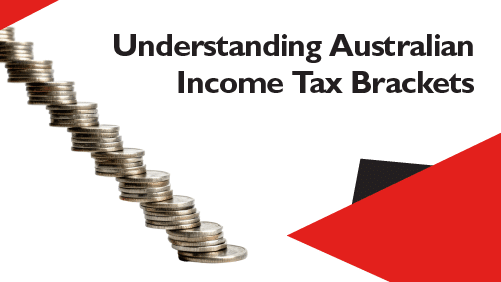
Australia uses a progressive tax system, which means your income is taxed in portions.
If you’re an Australian resident for tax purposes, you can usually claim the tax-free threshold.
In a full financial year, this allows you to earn up to $18,200 before income tax applies.
After that, each part of your income is taxed at the rate that applies to its bracket.
For example, if your income reaches the 30% bracket, only the income within that bracket is taxed at 30%, not your whole salary.
Non-residents are taxed differently.
They generally do not receive the tax-free threshold, so tax applies from the first dollar they earn in Australia.
For the 2025–26 financial year, foreign resident tax starts at 30c for each $1 up to $135,000, then moves into higher brackets.
Australian Resident Tax Rates for the 2025–26 Financial Year
| Taxable Income | Tax Payable |
| $0 – $18,200 | Nil |
| $18,201 – $45,000 | 16c for each $1 over $18,200 |
| $45,001 – $135,000 | $4,288 plus 30c for each $1 over $45,000 |
| $135,001 – $190,000 | $31,288 plus 37c for each $1 over $135,000 |
| $190,001 and over | $51,638 plus 45c for each $1 over $190,000 |
These rates do not include the Medicare levy of 2%, which is calculated separately.

Medicare Levy and Medicare Levy Surcharge
The Medicare levy is an extra amount most Australian taxpayers pay on top of their income tax.
It helps fund Medicare and is usually 2% of your taxable income, although some low-income earners, seniors, pensioners, or people in specific circumstances may receive a reduction or exemption.
The Medicare levy surcharge is different. It only applies if your income is above a certain level and you do not have appropriate private patient hospital cover.
Extras-only cover, such as dental, physio, or optical cover, does not count as hospital cover for this purpose.
Medicare Levy Surcharge Thresholds for the 2025–26 Financial Year
| Threshold | Singles | Families | Surcharge Rate |
| Base Tier | $101,000 or less | $202,000 or less | 0% |
| Tier 1 | $101,001 – $118,000 | $202,001 – $236,000 | 1% |
| Tier 2 | $118,001 – $158,000 | $236,001 – $316,000 | 1.25% |
| Tier 3 | $158,001 or more | $316,001 or more | 1.5% |

Superannuation and Your Pay
Superannuation is money paid into your super fund to build your retirement savings.
For the 2025–26 financial year, the superannuation guarantee rate is 12%.
Your employer must pay this amount based on your ordinary time earnings, which generally include your regular wages, salary, commissions, and some allowances.
In most cases, super is paid on top of your wage or salary, so it does not reduce the amount shown as your base pay.
However, some job offers are advertised as a total salary package, such as “$90,000 including super”.
In that case, your super is deducted from the package amount, so your take-home pay will be lower than if the offer were “$90,000 plus super”.
You can also choose to make extra super contributions through salary sacrifice, where part of your pre-tax pay goes into your super fund instead of your bank account.
Salary sacrifice can reduce your taxable income, but it also reduces your take-home pay because you’re choosing to contribute more to super.
Salary sacrifice contributions count as concessional contributions, along with your employer’s super guarantee payments.
For the 2025–26 financial year, the general concessional contributions cap is $30,000.
After that, extra contributions may be taxed at your marginal tax rate,

Tax Deductions, Offsets, and Government Loans
Tax deductions can reduce your taxable income, so you pay less tax at tax time.
Common tax deductions can include
- Work-from-home costs
- Phone and internet expenses
- Tools, equipment, and software
- Work-related travel
- Uniforms and protective clothing
- Union fees and professional memberships
- Self-education expenses related to your job
Tax offsets work differently, reducing the amount of tax you owe.
Common tax offsets can include
- Low-income tax offset
- Private health insurance rebate
- Seniors and pensioners tax offset
- Super-related tax offsets
Government loans, such as HELP or HECS-HELP, can also affect your take-home pay. If your income is above the repayment threshold, extra amounts may be withheld from your pay and applied to your loan when you lodge your tax return.

Tips to Maximise Your Take-Home Pay in Sydney
- Use salary sacrifice carefully. Salary sacrificing into super or through arrangements such as a novated lease may reduce your taxable income. However, it can also reduce your take-home pay, so check the numbers first.
- Claim eligible deductions. Keep records of work-related expenses. Eligible deductions can lower your taxable income at tax time.
- Review your payslip. Check your gross pay, tax withheld, super contributions, allowances, deductions, and leave balances. Small errors can add up over the year.
- Update your details. A new job, pay rise, HELP debt, private health cover, or salary sacrifice arrangement can affect your take-home pay.
- Get professional advice. If you have multiple jobs, bonuses, commissions, investment income, business income, salary packaging, or large deductions, speak to a Sydney accountant to understand your options and avoid costly mistakes.
Get Expert Tax and Salary Advice from Pherrus
A salary calculator gives you a clearer view of what your pay really means once tax, Medicare, super, and other deductions are taken into account.
Then, you can better compare job offers, plan your budget, prepare for tax time, or understand the effects of a pay rise.
Use our salary calculator to get started, then speak with Pherrus Financial Services for personalised advice you can trust.
We can help you understand your tax position, superannuation obligations, and salary packaging options, so you can make confident decisions with your money.
Fill out this online form or call (02) 9099 9109 today.

FAQs
How Do I Calculate My Take-Home Pay in Sydney?
Start with your gross salary, then subtract estimated income tax, the Medicare levy, superannuation if it is included in your package, salary sacrifice amounts, HELP repayments, and any other deductions. A salary calculator can do this quickly.
What Is the Tax-Free Threshold in Australia?
The amount you can earn before Australian income tax applies.
If you’re an Australian resident for tax purposes, you can earn up to $18,200 in a full financial year before paying income tax.
How Does the Medicare Levy Affect My Net Pay?
The Medicare levy is 2% of your taxable income and is paid on top of your regular income tax.
It reduces your net pay because it forms part of your overall tax obligation, although reductions or exemptions may apply for some lower-income earners or people in specific circumstances.
Does Superannuation Come out of My Gross Salary?
Superannuation is typically paid on top of your gross salary by your employer.
However, some roles are advertised as a total salary package, such as “$80,000 including super”.
In that case, super is included in the package amount and can reduce the cash salary you receive.
How Can Salary Sacrifice Reduce the Amount of Tax I Pay?
Salary sacrifice can reduce your taxable income because part of your pre-tax pay goes into super or another approved benefit instead of being paid to you as wages.
For super, these contributions are generally taxed inside your super fund rather than as regular income, but contribution caps apply.